AI Revolution: Changing the Price of Our Expertise
Leadership, Artificial Intelligence, leadership_evolution
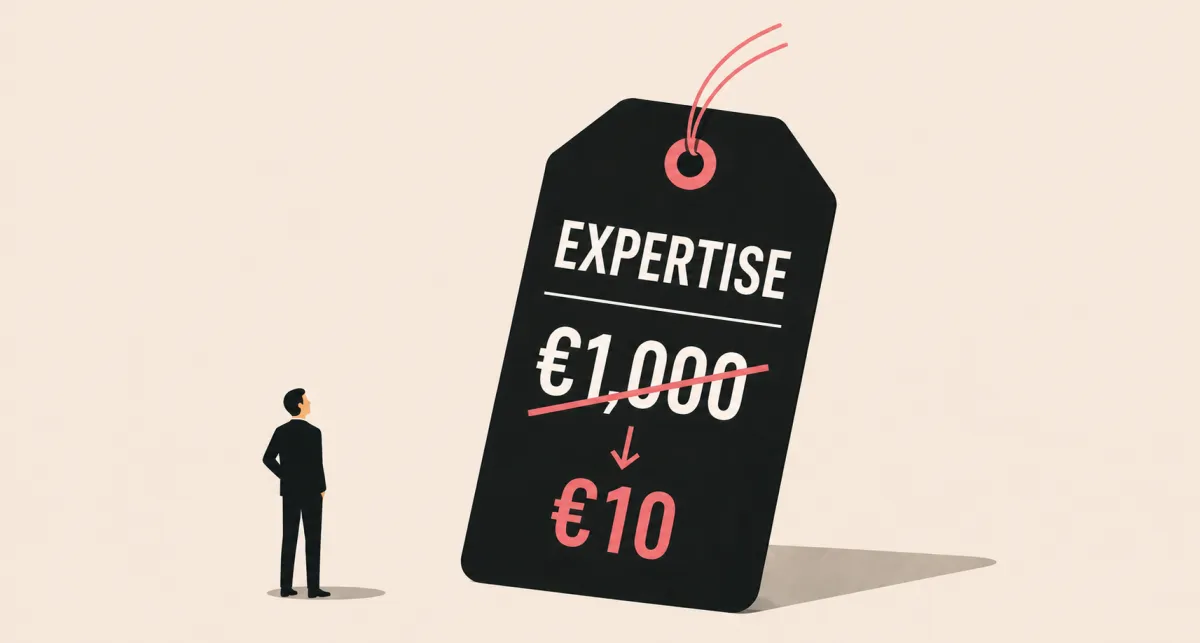
Every Technological Revolution Changes the Price of Something. AI Is Changing the Price of Expertise.
For centuries, expertise has been expensive because it was scarce. Today, artificial intelligence is quietly rewriting that equation—making high‑level knowledge more accessible, faster, and cheaper than ever before. For leaders and organisations, this is not just a technology story; it is a leadership evolution moment that challenges how you create value, how HR and boards evaluate leaders, and how you design organisations for the next decade.
AI Is Changing the Price of Expertise
Why leadership must evolve as knowledge becomes universally accessible
From Scarce Expertise to On‑Demand Intelligence
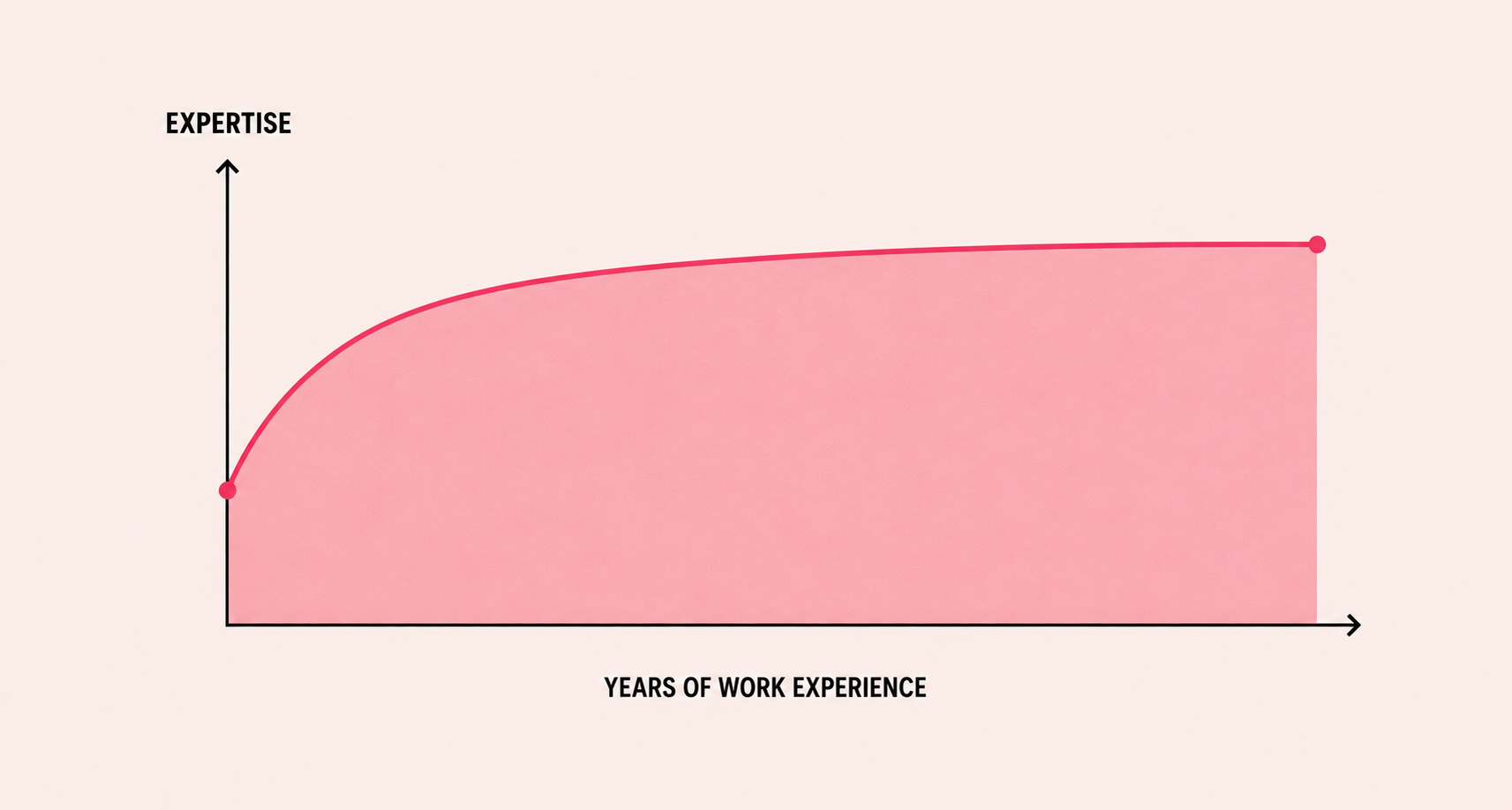
In traditional organisations, specialised expertise lived in a few key roles: the senior strategist, the technical authority, the market analyst, the transformation lead. Their knowledge was a bottleneck and a source of power. Decisions waited on their availability. Projects slowed when they were stretched too thin. Scarcity itself created economic value.
Artificial intelligence changes this dynamic by commoditising access to expertise. Tools can now summarise complex research, simulate scenarios, draft strategic options, and provide “good‑enough” answers in seconds. What once required days of a specialist’s time can often be produced by an AI‑augmented generalist in an afternoon. The price of basic expertise is falling—sometimes to near zero in marginal cost and time.
What Changes for Leadership: From Expert Authority to Sense‑Making Steward
As AI makes access to expertise faster, cheaper, and more widely available, a quieter question begins to surface for leaders: what happens to the economic value of accumulated expertise when everyone can reach something similar in seconds? Will organisations continue to pay the same premium for what you know, or will they gradually start rewarding something else?
One of the largest international workplace studies conducted this year—covering nearly 580,000 employees across organisations in North America, Europe and Asia‑Pacific—offers an early hint that this shift may already be underway. The strongest predictor of improved AI performance was not AI adoption itself. It was trust in leadership. The finding does not resolve the economic question raised by AI, but it does suggest that competitive advantage may already be tilting towards capabilities that are far harder to commoditise than information.
For leaders working inside organisations, this is less a call to action than an invitation to reflection. If your expertise became available to everyone tomorrow, what part of your value would your organisation still pay for?
💡 Perspective: When everyone can access expert‑level information, how you use it becomes more important than who holds it—and this must be reflected in how you assess leadership potential and performance.
Rethinking Competitive Advantage in an AI‑Enabled Market
When everyone has access to similar AI tools, competitive advantage shifts from what you know to how you organise, lead, and adapt. The differentiators become less about individual star experts and more about how consistently leaders across the organisation can translate accessible intelligence into wise choices.
The quality of your leadership culture—how well people can perform under pressure without defaulting to fear or rigidity, especially when AI outputs challenge existing assumptions.
Your capacity to lead through change—using AI as a catalyst for better collaboration, not as a source of anxiety or resistance, and recognising leaders who can steward that shift.
Your ability to keep teams engaged—through transparent communication about how AI is used, how roles may evolve, and where human contribution remains essential, rather than rewarding only technical or domain expertise.
This is where thoughtful, human‑centred leadership becomes a strategic asset. Technology may level the playing field in terms of expertise, but the human adoption of AI‑enabled work still varies dramatically between organisations.
📌 Implication:Those that invest in updating their leadership models, HR processes, and talent conversations will be better positioned to turn accessible expertise into sustainable advantage.
Navigating the Transition with Intention
The question for leaders is no longer whether AI will change the price of expertise—it already has. The real question is how you, and your organisation, will respond: by clinging to old notions of authority and scarcity, or by embracing a calmer, more mature leadership_evolution that acknowledges both the promise and the limits of technology, and reflects this in how leaders are selected, developed, and rewarded.
At Cécile Meunier Leadership Coaching, our work is to help organisations develop the leadership behaviours, collective dynamics, and human adoption needed to navigate this shift. That means supporting leaders—and HR and organisational stakeholders—to:
Stay grounded and clear under pressure, even as AI accelerates the pace of change and makes expertise more widely available.
Engage teams in open, honest conversations about the role of AI in their work, including what “expertise” will mean in their context going forward.
Design ways of working where technology amplifies human judgement instead of replacing it—and where leadership evaluation criteria explicitly recognise this orchestration role.
Expertise is becoming cheaper to access, but wise leadership is not. As AI continues to transform how knowledge is produced and shared, the organisations that thrive will be those whose leaders—and whose HR and organisational systems—can recognise this value switch, hold nuance, lead through uncertainty, and keep their people engaged in the work of building what comes next.


